Battery FAQs
General Questions
Battery storage allows homeowners to store electricity for use at a later time rather than consuming it immediately. When your solar panels generate more electricity than your home requires, the surplus energy can be stored within a battery instead of being exported straight to the grid. The stored electricity can then be used later in the day, often during the evening when household demand is higher and solar generation has reduced. This helps homeowners make better use of the electricity they generate themselves and can reduce the amount of electricity that needs to be imported from the grid. Modern battery systems operate automatically, charging and discharging based on your home’s energy requirements.
Battery storage has become increasingly popular because it helps homeowners gain greater control over how they use electricity. As energy costs continue to be an important consideration for many households, batteries provide an opportunity to store excess solar energy and use it when it is needed most. Rather than exporting electricity during the day and buying it back later in the evening, homeowners can keep more of their self-generated energy within the property. Battery storage can also work alongside smart tariffs and future technologies, making it an attractive option for people looking to improve energy flexibility, increase self-consumption and reduce reliance on imported electricity.
No, battery storage can be installed without solar panels. While batteries are commonly paired with solar systems, many modern batteries can also charge directly from the electricity grid. This allows homeowners to take advantage of off-peak electricity tariffs by charging the battery when electricity prices are lower and using that stored energy later when prices may be higher. Some homeowners choose battery storage specifically for this purpose, even if they do not currently have solar panels. A professional assessment can help determine whether battery storage is suitable for your property and identify the best way to integrate it with your existing energy setup.
Yes, modern battery storage systems are designed with multiple safety features and monitoring technologies to ensure safe operation. Quality battery products undergo extensive testing and include built-in protections that monitor temperature, charging performance and overall system health. When installed correctly by qualified professionals, battery systems are designed to operate safely and reliably for many years. The location of the battery, system design and installation quality all play an important role in maintaining safety standards. Choosing reputable equipment and an experienced installer helps ensure your battery storage system is installed in accordance with industry regulations and manufacturer requirements.
Battery storage offers several benefits for homeowners looking to make better use of their electricity. One of the biggest advantages is the ability to store excess solar energy and use it later when household demand is higher. This can increase self-consumption and reduce reliance on imported electricity. Battery systems can also provide greater flexibility when used alongside smart energy tariffs, allowing electricity to be stored during lower-cost periods and used when prices rise. Some systems can even provide backup power capabilities during grid outages. Beyond financial considerations, many homeowners value the increased energy independence, control and visibility that battery storage can provide.
Costs & savings
The cost of battery storage depends on several factors, including the battery capacity, manufacturer, installation requirements and whether the battery is being installed alongside a new solar system or added to an existing one. Larger batteries generally provide more storage capacity but require a greater investment. The right battery should be selected based on your household’s energy usage, future plans and overall energy goals rather than price alone. A professionally designed battery system should be sized appropriately to maximise performance and long-term value while ensuring it integrates effectively with your home’s energy requirements.
Battery storage can help reduce electricity bills by allowing homeowners to store electricity for use when it is needed most. If paired with solar panels, excess energy generated during the day can be stored rather than exported immediately, reducing the amount of electricity that needs to be imported later. Batteries can also work with smart energy tariffs, enabling homeowners to charge the battery during lower-cost periods and use that stored electricity when prices are higher. The level of savings will vary depending on energy consumption, tariff structure, battery size and how the system is used throughout the year.
For many homeowners, battery storage is viewed as a long-term investment in energy flexibility and independence rather than simply a way to generate financial returns. The value of a battery depends on how much electricity it stores, how often it is used and how effectively it helps reduce imported electricity. Many homeowners choose battery storage because they want greater control over their energy usage and wish to make better use of the electricity generated by their solar panels. While financial benefits are important, increased self-consumption, energy resilience and future readiness are often equally valuable considerations.
The payback period for battery storage can vary significantly depending on the battery size, installation cost, electricity tariffs, solar generation and household energy usage. Every property operates differently, which means there is no single answer that applies to every homeowner. Batteries that are regularly charged and discharged often provide greater value than systems that are used infrequently. As electricity prices and energy technologies continue to evolve, the long-term benefits of battery storage may also change. A personalised assessment is the best way to understand how a battery could perform within your specific property and energy setup.
Battery storage can help reduce exposure to rising energy costs by giving homeowners greater control over when and how electricity is used. Instead of relying entirely on electricity purchased from the grid, a battery allows energy to be stored and used later when demand is higher or prices are less favourable. When combined with solar panels, battery storage can increase the amount of self-generated electricity used within the home. While no battery can completely remove the impact of future energy price changes, many homeowners value the additional flexibility, control and resilience that battery storage provides in an increasingly dynamic energy market.
Installation & compatibility
Yes, in many cases battery storage can be added to an existing solar installation. This is a popular option for homeowners who originally installed solar panels and later decide they want to store more of the electricity they generate. The suitability of a battery will depend on factors such as the age of the system, the inverter type and your household’s energy requirements. A professional assessment can determine the most appropriate battery solution and identify any additional equipment that may be required. Adding a battery to an existing system can help increase self-consumption and improve the overall value of your solar investment.
The right battery size depends on your household’s energy consumption, solar generation, lifestyle and future plans. A battery that is too small may not store enough energy to meet your needs, while an oversized battery may provide more capacity than you are likely to use. Factors such as evening electricity usage, electric vehicle ownership and planned home improvements should all be considered when selecting a battery. A professional installer will assess your energy habits and recommend a battery size that balances performance, value and long-term flexibility to ensure the system works effectively for your property.
Battery storage systems can often be installed in a range of locations, including garages, utility rooms, plant rooms, lofts and certain external areas, depending on the battery manufacturer and installation requirements. The chosen location should provide suitable ventilation, accessibility and environmental conditions while complying with relevant regulations and manufacturer guidance. Every property is different, which is why the installation location is usually determined during the design and survey process. A professional installer will assess the available options and recommend the most suitable position for both safety and long-term performance.
The installation of a battery storage system is typically completed within a single day for many residential properties, although this can vary depending on the complexity of the project and whether the battery is being installed alongside other technologies such as solar panels. Before installation takes place, there will usually be a consultation, system design and site assessment to ensure the battery is correctly specified for the property. Once installed, the system is tested and commissioned to confirm it is operating safely and efficiently. Your installer should provide a clear timeline and keep you informed throughout the process.
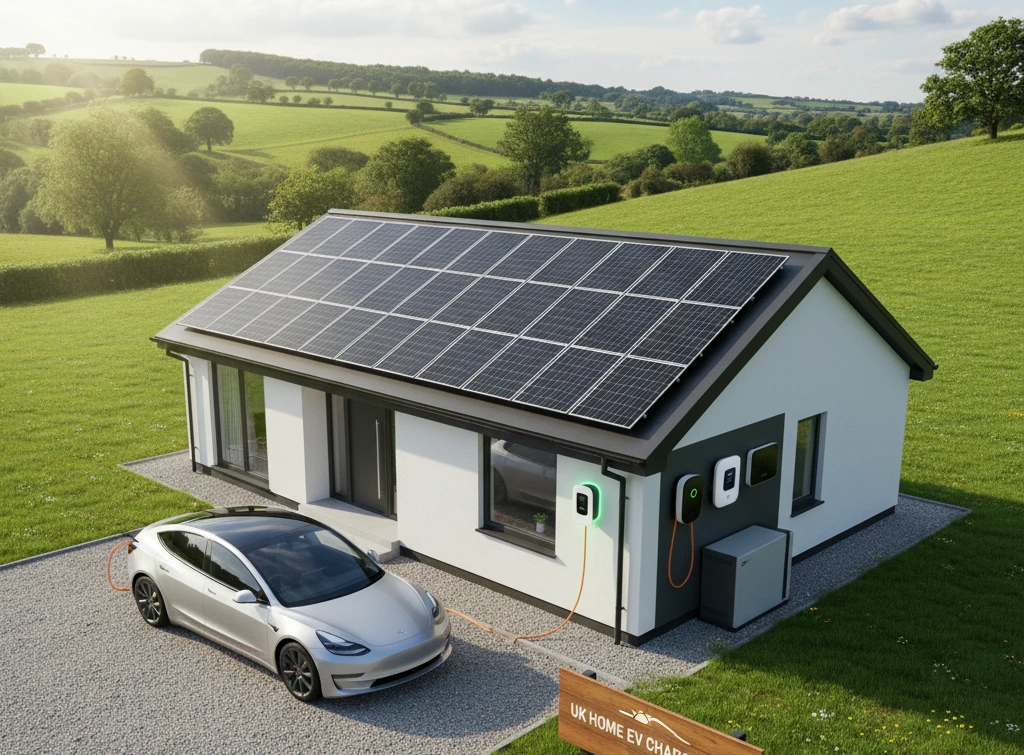
Yes, battery storage can often work alongside an electric vehicle charger as part of a wider home energy system. Combining these technologies can provide greater flexibility and help homeowners make better use of both self-generated and stored electricity. For example, excess solar energy stored within a battery may later be used to support EV charging, depending on the system design and household energy demand. As electric vehicles become increasingly common, many homeowners are choosing battery storage solutions that can integrate with future technologies and create a more connected, efficient and flexible energy setup.
Performance & lifespan
Most modern solar batteries are designed to provide reliable performance for many years and typically have an expected lifespan of between 10 and 15 years, depending on the technology, usage patterns and operating conditions. Battery manufacturers often provide warranties that guarantee a certain level of performance over a specified period. The lifespan of a battery can be influenced by factors such as how frequently it is charged and discharged, the depth of discharge and the environment in which it is installed. Choosing a quality battery and ensuring it is professionally installed can help maximise performance and longevity over the lifetime of the system.
Like most rechargeable technologies, battery storage systems gradually experience a reduction in capacity over time. This process is known as degradation and is a normal characteristic of battery operation. However, modern battery technology is designed to minimise performance loss and maintain useful storage capacity for many years. Even after a decade of operation, many batteries continue to provide significant energy storage capabilities. Manufacturers often provide performance warranties that specify the minimum capacity the battery should retain after a certain number of years or charge cycles, providing homeowners with confidence in the long-term performance of their investment.
The amount of electricity a battery can store depends on its capacity, which is typically measured in kilowatt-hours (kWh). Residential battery systems are available in a range of sizes to suit different household requirements. The right capacity will depend on factors such as your daily energy consumption, solar generation, lifestyle and whether you plan to charge an electric vehicle. A larger battery can store more electricity, but it is important to select a system that aligns with your actual energy usage. A professional assessment will help determine the most appropriate battery size for your property and energy goals.
Yes, battery storage systems continue to operate during winter and can still provide significant benefits throughout the colder months. While solar generation is typically lower during winter due to shorter daylight hours, batteries can still store available solar energy and help manage household electricity usage more effectively. Batteries can also be charged from the grid when used alongside suitable energy tariffs. Modern battery systems are designed to operate across a wide range of environmental conditions and include management systems that help protect performance. A properly designed battery system is intended to provide value throughout the entire year, not just during summer months.
The frequency with which a battery charges and discharges depends on the design of the system and the household’s energy usage patterns. In many homes, a battery may complete approximately one charge and discharge cycle each day, storing excess electricity when available and releasing it when energy demand increases. However, actual usage can vary depending on solar generation, electricity tariffs, seasonal conditions and household consumption habits. Modern battery systems automatically manage charging and discharging to maximise efficiency and performance. Monitoring software often allows homeowners to view battery activity and better understand how energy is flowing throughout their property.
Smart energy & backup power
Yes, many modern battery systems can work alongside smart energy tariffs, helping homeowners make better use of changing electricity prices throughout the day. Smart tariffs often offer lower electricity rates during off-peak periods, allowing batteries to charge when energy is cheaper and discharge when electricity costs are higher. This can help reduce reliance on more expensive electricity and improve the overall value of the battery system. The exact benefits will depend on your energy supplier, tariff structure and battery setup, but combining battery storage with smart tariffs is becoming an increasingly popular way to optimise household energy usage.
Some battery storage systems can provide backup power during a power cut, but this depends on the battery model and how the system has been designed. Most standard solar systems automatically shut down during a grid outage for safety reasons. However, certain battery systems can be configured with backup functionality that allows selected circuits or essential appliances to continue operating when the grid is unavailable. This may include lighting, refrigeration, internet equipment or other priority loads. If backup power is important to you, it should be discussed during the design stage so the correct equipment and system configuration can be specified.
Yes, most modern battery storage systems include monitoring software that allows homeowners to track performance through a smartphone app or online portal. These platforms typically provide information about battery charge levels, energy usage, solar generation and electricity imports or exports. Monitoring tools help homeowners understand how their battery is performing and provide valuable insights into how energy is flowing throughout the property. Many people find that access to real-time data helps them make more informed decisions about energy usage and allows them to maximise the benefits of both their battery storage and solar system.
Battery storage can play an important role in increasing energy independence by allowing homeowners to store electricity for use when it is needed rather than relying entirely on imported electricity from the grid. When combined with solar panels, batteries help maximise the use of self-generated energy by storing excess electricity produced during the day and making it available later. While most homes will remain connected to the grid, battery storage can reduce dependence on external energy supplies and provide greater control over household electricity usage. Many homeowners value this additional flexibility as much as the potential financial benefits.
Many modern battery systems are designed with future flexibility in mind and can often integrate with emerging technologies such as smart tariffs, energy management software, electric vehicle chargers and additional battery capacity. As homes become increasingly electrified, battery storage is expected to play a growing role within connected home energy systems. Choosing a quality battery from a reputable manufacturer can help ensure compatibility with future developments and provide opportunities for expansion as household energy needs evolve. A well-designed battery system can form the foundation of a more flexible, efficient and future-ready home energy setup.
FAQs
- Solar FAQs
- Battery FAQs
- EV Charger FAQs