
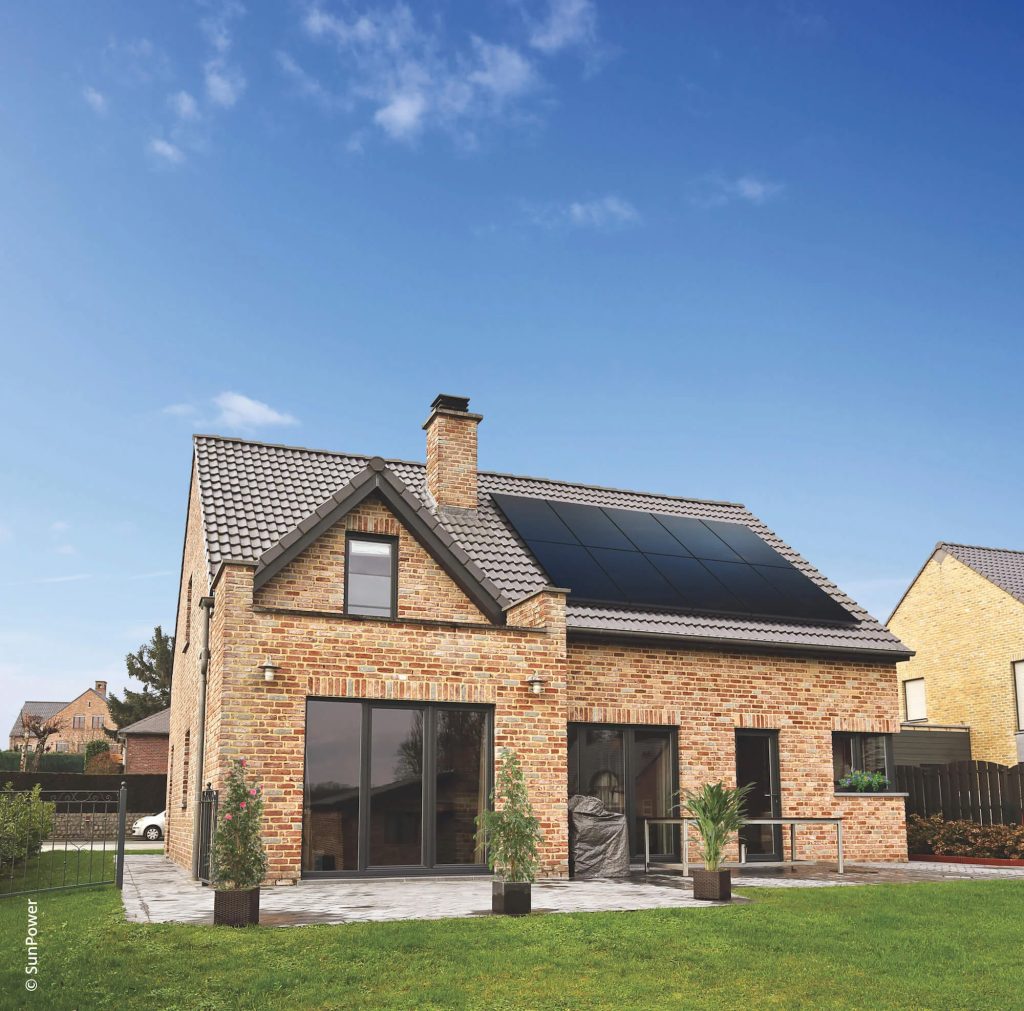
In March 2026, the UK passed a milestone that would have seemed almost unimaginable twenty years ago.
More than two million solar installations had been completed across the country.
From detached homes in Devon and Cornwall to terraced properties in major cities, solar panels have quietly become part of the British landscape. They are no longer unusual. They are no longer reserved for environmentally conscious early adopters. They have become mainstream.
Yet despite this growth, one question continues to dominate homeowner conversations.
Is solar still worth it?
It’s a reasonable question.
After all, solar has now been around for decades. Technology evolves quickly. Energy markets change constantly. New batteries, smart tariffs and electric vehicles seem to appear every year. Many homeowners wonder whether they have missed the best opportunity, or whether solar still represents a sensible investment in 2026.
Rather than relying on marketing claims, let’s examine the evidence.
Solar In The UK By The Numbers
Before discussing opinions, it’s worth looking at the facts.
|
UK Solar Snapshot |
2026 |
|---|---|
|
Solar installations |
2 million+ |
|
UK solar capacity |
22GW+ |
|
New installations in 2025 |
269,000 |
|
Annual installation growth |
37% |
|
Typical panel lifespan |
25-30+ years |
|
Typical electricity unit rate |
26p+ per kWh |
The first thing these figures tell us is simple.
Solar is not shrinking.
It is growing.
Rapidly.
If solar was no longer financially or practically viable, adoption rates would likely be falling rather than accelerating.
Instead, the opposite is happening.
“Consumers don’t install technologies in record numbers if they consistently fail to deliver value.”
The Energy Landscape Has Changed
Perhaps the biggest mistake homeowners make when evaluating solar is comparing today’s systems to the systems available ten or fifteen years ago.
The technology has evolved.
The market has evolved.
Even the reasons people buy solar have evolved.
Back in the early days of domestic solar, many homeowners were primarily attracted by government incentives and feed-in tariffs. Environmental concerns often played a major role too. Solar was frequently viewed as a green technology rather than an energy strategy.
Today’s buyer looks very different.
Most homeowners are motivated by three factors:
- Reducing reliance on imported electricity
- Protecting themselves against future energy price rises
- Improving control over household energy usage
Environmental benefits still matter.
But control has become the dominant theme.
The question homeowners increasingly ask isn’t:
“How much electricity can I generate?”
It’s:
“How much electricity can I stop buying?”
That subtle shift changes everything.
Then Vs Now
The solar industry of 2026 bears little resemblance to the industry many people remember.
|
Solar In 2015 |
Solar In 2026 |
|---|---|
|
Basic monitoring |
Real-time smartphone apps |
|
Limited battery options |
Advanced home batteries |
|
Few EV owners |
Rapid EV adoption |
|
Simpler tariffs |
Smart and dynamic tariffs |
|
Lower awareness |
Mainstream understanding |
|
Smaller market |
Record deployment |
This matters because homeowners aren’t simply buying solar panels anymore.
They’re buying into an entire home energy ecosystem.
A solar system today may interact with:
- Battery storage
- EV charging
- Smart tariffs
- Export payments
- Home energy management software
The result is a much more flexible energy solution than previous generations of solar technology could offer.
The Most Common Objections
Every major purchase generates scepticism.
Solar is no exception.
Let’s investigate the concerns homeowners raise most frequently.
“Britain Is Too Cloudy”
This argument refuses to disappear.
It’s also one of the easiest to challenge.
Solar panels generate electricity from daylight rather than direct sunshine alone. While bright sunny days naturally produce higher outputs, generation continues during cloudy conditions.
Germany, often cited as a global solar success story, receives similar levels of solar irradiation to many parts of the UK.
If solar genuinely didn’t work in northern European climates, the market simply wouldn’t exist at its current scale.
“Technology Will Be Better If I Wait”
This argument is technically correct.
Technology almost always improves.
Televisions improve.
Cars improve.
Mobile phones improve.
Solar technology will improve too.
The challenge is that waiting also delays any benefits.
Every year spent waiting is another year spent purchasing all electricity from external suppliers.
Future technology may be better.
Future energy bills will still arrive.
“Solar Takes Too Long To Pay Back”
This depends entirely on how you define value.
A homeowner who expects overnight returns may be disappointed.
A homeowner viewing solar as a long-term energy asset often sees things differently.
Solar isn’t designed to transform finances within months.
It’s designed to generate electricity for decades.
Those are very different propositions.
Meet Two Homeowners
Imagine two neighbours living on the same street in Plymouth.
Both own similar properties.
Both consume roughly the same amount of electricity.
Both are concerned about energy costs.
In 2026, one installs solar.
The other decides not to.
Fast forward ten years.
The homeowner with solar has spent a decade generating electricity from their roof. They may have exported surplus electricity. They may have added battery storage. They may even be charging an electric vehicle using self-generated energy.
The second homeowner has continued purchasing every unit of electricity from the grid.
Neither decision was necessarily wrong.
But the outcomes are undeniably different.
One household diversified its energy supply.
The other remained fully dependent on external energy markets.
That distinction is becoming increasingly important.
What The Industry Experts Are Watching
When industry analysts discuss the future of residential energy, three trends appear repeatedly.
Battery Adoption
Battery storage is rapidly changing how households use solar energy.
Instead of exporting surplus electricity immediately, homeowners can increasingly store it for use later in the day.
Electric Vehicles
The rise of EV ownership is creating new demand for home-generated electricity.
A roof that powers a home during the day may also help power transport.
Smart Energy Management
Artificial intelligence, smart tariffs and automated energy management systems are beginning to transform how homes consume electricity.
The solar panel is no longer the entire story.
It is becoming one component within a broader energy strategy.
“The future of home energy isn’t just about generation. It’s about intelligent consumption.”
A Quick Reality Check
Solar is not perfect.
No responsible installer should pretend otherwise.
Solar won’t eliminate energy bills.
Solar won’t suit every roof.
Solar won’t produce identical results for every household.
Solar won’t make somebody wealthy.
What it can do is provide homeowners with another source of electricity generation directly on their property.
Whether that matters depends on individual priorities.
For some households, it won’t.
For many others, it increasingly does.
Three Questions Worth Asking Yourself
Before requesting quotes, homeowners should ask themselves:
- How much electricity does my household currently use?
- Am I likely to buy an electric vehicle within the next five years?
- Would I prefer greater control over future energy costs?
The answers often reveal more than any online savings calculator ever could.
Frequently Asked Questions
Is solar still growing in the UK?
Yes. The UK continues to install solar systems at record levels, with adoption increasing among homeowners and businesses alike.
Do solar panels work during winter?
Yes. Generation is lower than during summer months, but panels continue producing electricity throughout the year.
Is battery storage essential?
No. Many homeowners install solar without batteries. However, batteries can increase self-consumption and improve energy flexibility.
So, Is Solar Still Worth It?
After examining the evidence, perhaps the question itself needs updating.
A decade ago, homeowners asked whether solar technology worked.
In 2026, that debate is largely over.
The technology works.
The market has matured.
Millions of installations are already operating successfully.
The more relevant question is whether homeowners want to continue sourcing 100% of their electricity from elsewhere when alternative options now exist.
For an increasing number of households across the UK, the answer appears to be no.
And that may be the strongest argument for solar of all.


